


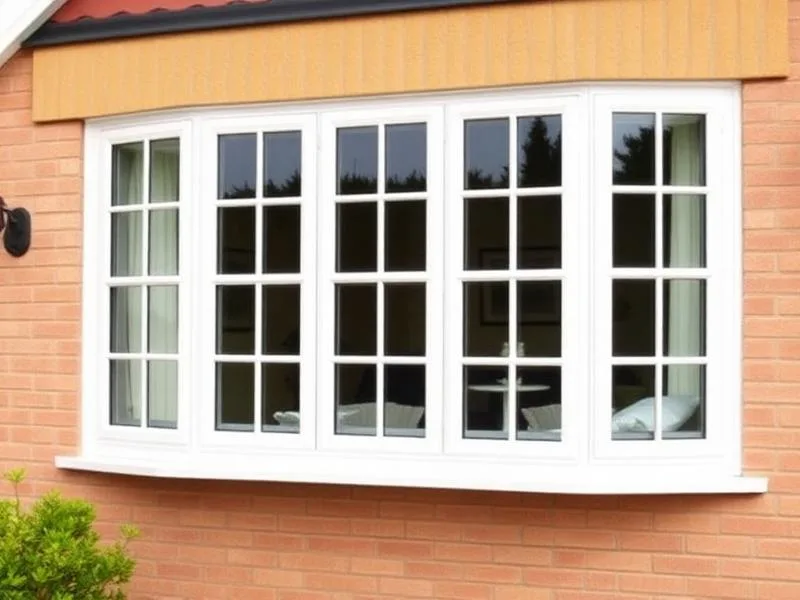
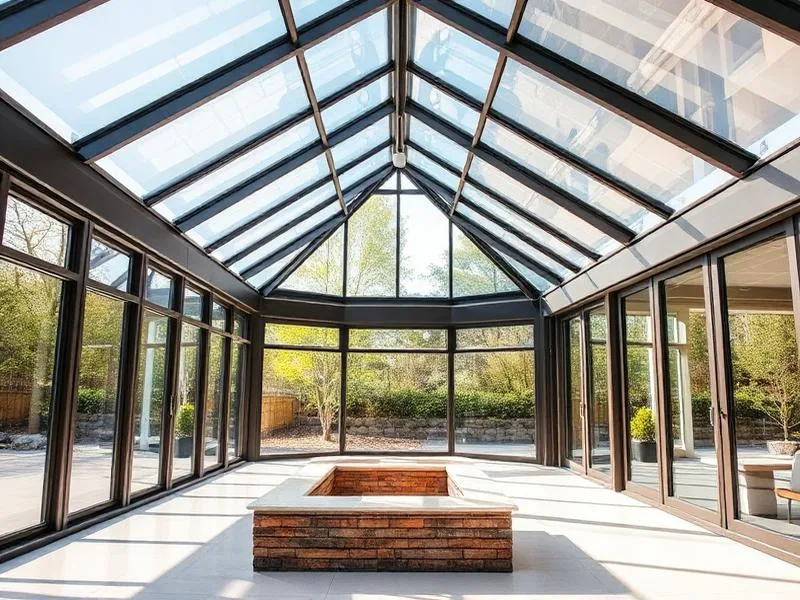



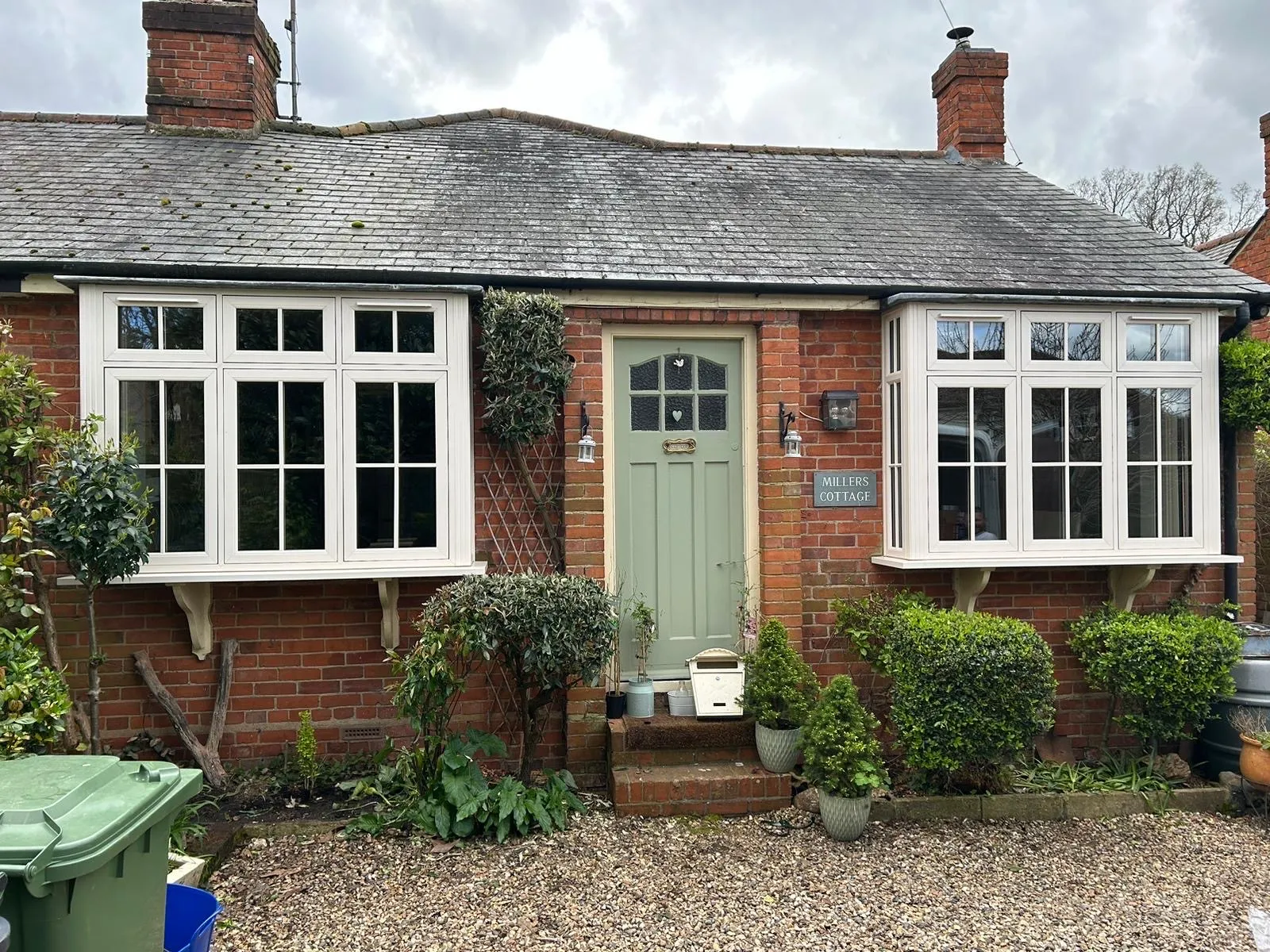
Windows take the brunt of the British weather, and like anything else in your home they eventually wear out. Choosing new windows is one of the bigger home improvement decisions you'll make, and with so many materials, styles and glazing options it's easy to feel overwhelmed.
This guide breaks the decision down into ten points. Work through them and you'll know what to ask for, what to check, and how to compare quotes properly.
1. Start with the problem you want to fix
The right window depends on what's wrong with the ones you have. Before you look at brochures, be clear about what you want your new windows to solve:
- Draughts. Cold air around the frames usually means worn seals or poor fitting.
- Condensation between the panes. Misting inside the glass means a sealed unit has failed. Sometimes only the glass unit needs replacing, not the whole window. Find out more in our guide to misted double glazed windows.
- Rot or damage. Rotting timber frames and cracked glass only get worse with time.
- Windows that stick or won't lock. A window that's hard to close is also a security risk.
- High heating bills. Single glazing and older double glazing lose a lot of heat.
- Noise. Traffic, trains or neighbours getting in.
- Looks. Tired windows can date a house, and new ones can transform it.
Most people have two or three of these. Knowing which matter most to you will shape every decision that follows.
2. Check the energy rating
Every new window should come with an energy rating, and it's worth knowing what it tells you.
The Window Energy Rating (WER) runs from A++ down to E. It balances the heat lost through the window and around the frame against the free warmth gained from sunlight. The U-value measures how easily heat escapes through the whole window. The lower the number, the better.
Building Regulations in England now require replacement windows to achieve a U-value of 1.4 W/m²K or better, or a Window Energy Rating of at least Band B. They also shouldn't perform worse than the windows they replace. Many quality uPVC windows now reach A or A+, so ask which rating is being quoted and compare like for like.
How much you'll save on heating depends on your home, the windows you're replacing and your energy prices, so be wary of anyone promising exact savings. The Energy Saving Trust publishes independent estimates if you'd like a guide.
3. Choose your frame material
There are three main frame materials, each with its own strengths:
- uPVC is the most popular choice in the UK. It insulates well, won't rot or need painting, needs almost no maintenance and costs less than the alternatives. It also comes in a wide range of colours and woodgrain finishes, so it doesn't have to be plain white.
- Aluminium gives slim, strong frames and a contemporary look. Modern frames use thermal breaks to reduce heat loss, but aluminium usually costs more than uPVC.
- Timber has natural character and suits period homes, but it needs regular painting or treatment to keep rot at bay.
We fit uPVC windows because, for most homes, they give the best balance of performance, price and low maintenance. If you love the look of timber but not the upkeep, flush casement windows (see point 4) are well worth a look.
4. Pick a style that suits your home
The style of window makes the biggest difference to how your home looks, so choose one that fits the age and character of your property:
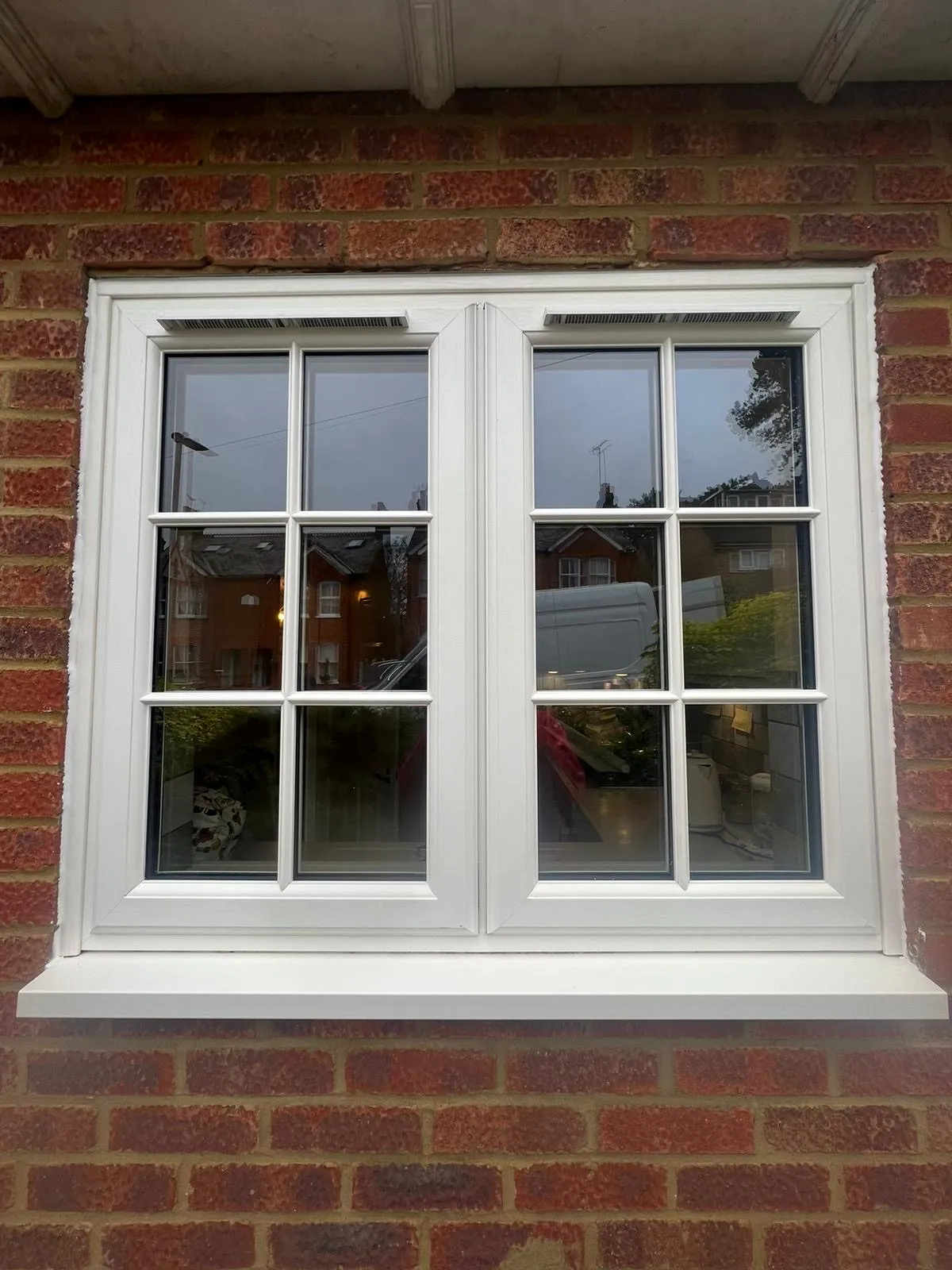
- Casement windows are hinged at the side or top and suit most homes. Our standard casement windows are a reliable, good-value choice.
- Flush casement windows sit flush within the frame, just like traditional timber windows, rather than overlapping it. They're a popular way to get a timber look without the maintenance. Take a look at our flush sash windows and our R7, R9 and Refine flush casement ranges.
- Sash windows slide vertically and suit Victorian and Edwardian homes. We offer sliding sash windows and sash horn windows, which include the decorative horns found on period sashes.
- Tilt and turn windows open inwards in two ways: tilted at the top for secure ventilation, or swung fully open like a door for cleaning and escape. They're ideal for upper floors and flats. See our tilt and turn windows.
You can browse the full range on our windows page.
5. Decide between double, triple and secondary glazing
- Double glazing uses two panes of glass with an insulating gap between them, usually filled with argon gas. It's the standard for replacement windows, and with modern low-E glass and warm-edge spacers it comfortably meets current regulations.
- Triple glazing adds a third pane for the lowest U-values. It's heavier and costs more, and in the UK's relatively mild climate the extra saving over a good A-rated double glazed window is often small. It can be worth considering for very exposed or noisy homes.
- Secondary glazing is a separate pane fitted inside your existing window. It's mainly used where the original windows must be kept, such as listed buildings and some conservation areas, and it's very effective at cutting noise.
6. Think about the glass itself
The type of glass matters as much as the number of panes. Options to ask about include:
- Low-E (low emissivity) glass, which has an invisible coating that reflects heat back into the room. It's now standard in energy-efficient windows.
- Toughened or laminated safety glass, which is required in some locations, such as glazing close to floor level. Laminated glass also adds security.
- Obscure and decorative glass for privacy in bathrooms and front-facing rooms.
- Acoustic glass, which uses laminated layers to reduce noise further.
- Self-cleaning glass, which has a coating that uses daylight and rain to break down dirt.
7. Don't compromise on security
Windows are a common way in for burglars, so check what's built in:
- PAS 24 is the British standard for the security of windows and doors, tested against attempted forced entry. Ask whether the windows you're quoted are PAS 24 certified.
- Secured by Design is the police-backed security initiative. Products that carry it have been tested to a high standard.
- Multi-point locking secures the window at several points along the frame rather than just one.
- Internal beading means the glass is fitted from inside, so it can't be removed from outside.
- Key-locking handles add another layer of protection, especially on ground-floor windows.
For more on keeping your home secure, read our guide to the 3 window security features you need to protect your home.
8. Consider noise reduction
If you live near a busy road, railway or flight path, noise may matter as much as heat. Any modern double glazing will be noticeably quieter than single glazing or old, failing units.
For extra reduction, ask about acoustic laminated glass or panes of different thicknesses, which break up sound more effectively than two identical panes. Where noise is the main concern and the windows can't be replaced, secondary glazing is a very effective option.
9. Don't forget ventilation and fire escape
Two requirements often catch people out:
- Trickle vents. Under current Building Regulations, replacement windows usually need trickle vents. These are small, adjustable vents in the frame that let in fresh air and help prevent condensation and mould. They can only be left out if the room already has adequate ventilation, such as a suitable wall vent.
- Fire escape windows. Upstairs bedrooms and other habitable rooms often rely on a window as an emergency escape route. If you're replacing one of these, the new window must still provide a safe way out. Escape hinges allow casement windows to open fully for this reason.
A good installer will check both during the survey, so you don't have to work them out yourself.
10. Choose the right installer
Even the best windows won't perform properly if they're badly fitted, so the installer matters as much as the product. Look for:
- FENSA registration. Replacement windows must meet Building Regulations. A FENSA-registered installer can certify that their work complies, and you'll receive a FENSA certificate, which you may be asked for when you sell your home.
- An insurance-backed guarantee. This protects your guarantee, and ideally your deposit, even if the installer stops trading. Check who provides it and what it covers.
- Genuine, recent reviews. Read Google and Trustpilot reviews, and look at how the company responds when something goes wrong.
- A proper survey. Every window should be measured and checked in person before you're given a firm quote. Be wary of fixed prices given over the phone.
- A clear written quote listing the products, glazing and energy rating, and what's included, such as removing the old frames and making good afterwards.
Ready to talk about new windows?
Bennbrook Windows is a FENSA-registered installer based in Harlow, fitting high-quality uPVC windows across Essex, Hertfordshire and North and East London. Every job starts with a free, no-obligation home survey, and every installation comes with a 10-year insurance-backed guarantee through the IWA.
Explore our windows range or contact us for a free quote. You can also call us on 01279 964009.
Related articles
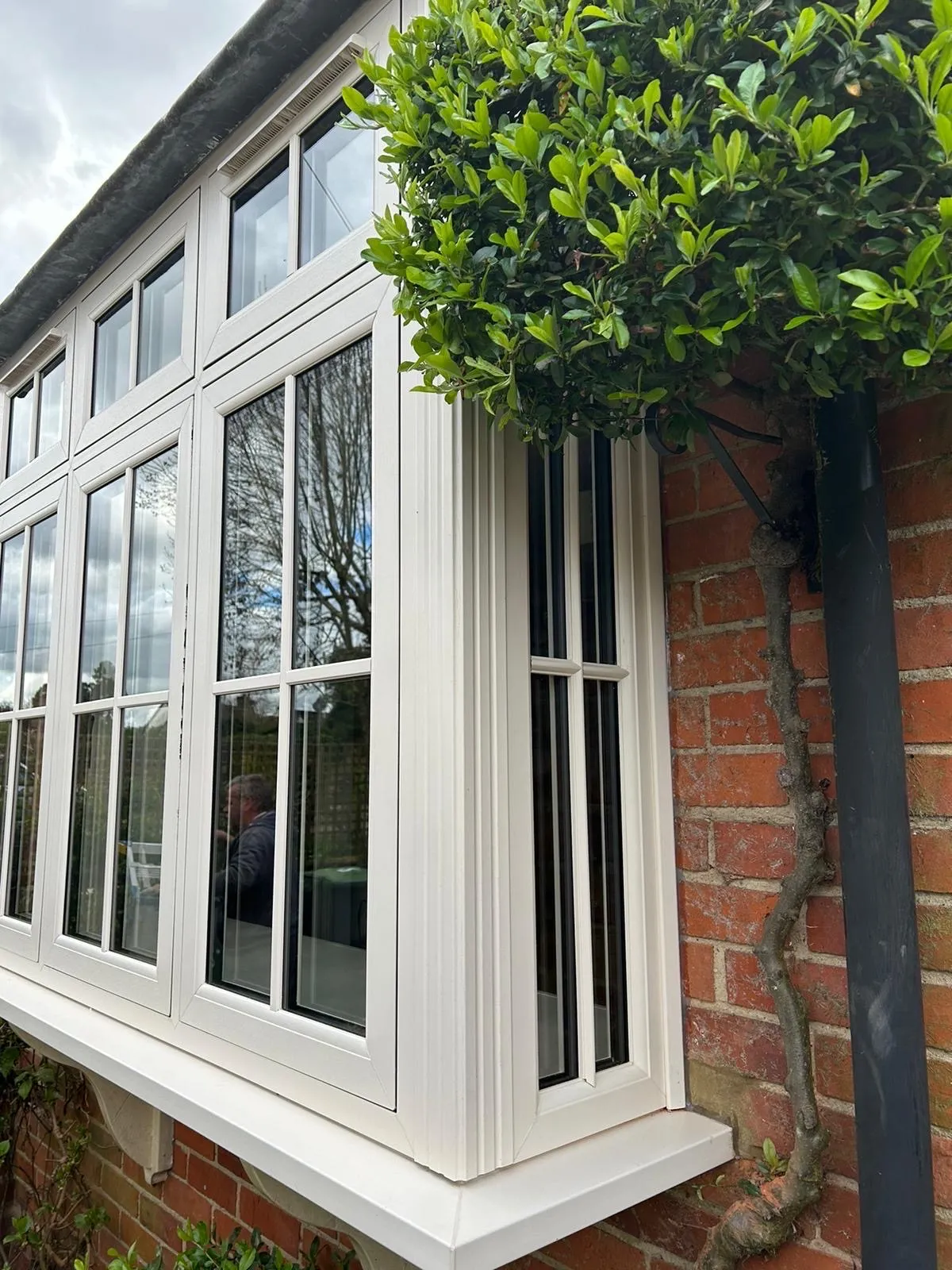
Soundproof Windows: How to Keep Noise Out of Your Home
Noise from traffic, trains, aircraft and neighbours can affect sleep and health. Here's how the right windows can help, and which options work best.
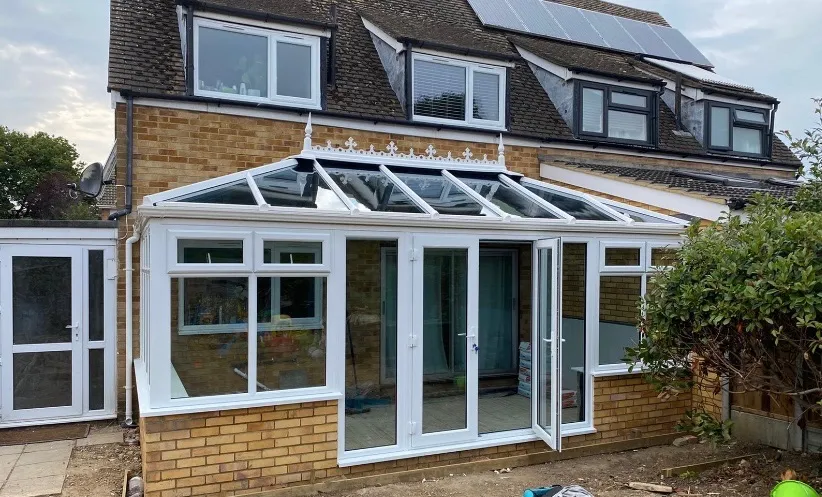
How to Buy the Perfect Conservatory in 2026
Modern conservatories can be used all year round. Here's what to think about in 2026, from roofs and heating to planning rules and choosing an installer.
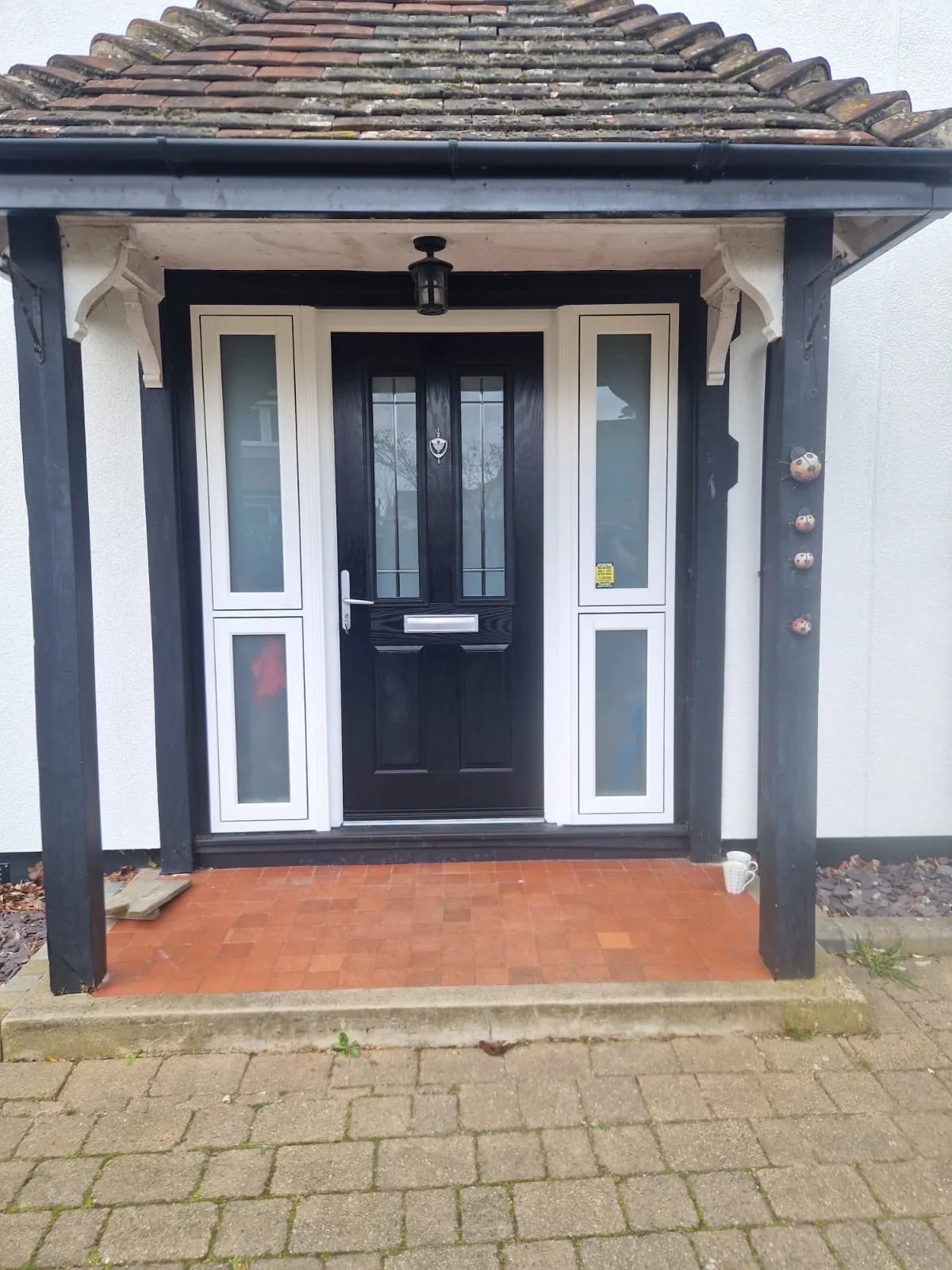
8 Points to Consider When Choosing a New Front Door
Your front door says a lot about your home. Here are eight things to weigh up, from composite vs uPVC to security, energy efficiency, style and fitting.
Ready to Talk About Your Project?
Request a free quote — measured and fitted by our local Harlow team.