





Conservatories have come a long way. For years they had a reputation for being too hot in summer, too cold in winter and too noisy when it rained, and many ended up as storage rooms. Today's designs, with better glass, better roofs and better insulation, make it far easier to create a room you'll actually use all year round.
If you're thinking about buying a conservatory in 2026, here's what to weigh up to get it right.
1. Start with how you'll use it
The best conservatories are designed around how they'll be used. A dining room, a playroom, a home office, a garden room or an extension of your kitchen all need slightly different things.
Think about:
- When you'll use it. If you want it to be comfortable in January as well as July, the roof, glass and heating matter more than anything else.
- How much space you need. Allow room for furniture and for moving around it, not just the floor area on the plan.
- What it connects to. A conservatory off the kitchen or lounge will feel like part of the house. One off a spare room may be used less.
- Privacy and outlook. Consider what you'll see from inside, and who can see in.
Having a clear idea of how you'll use the room makes every other decision easier.
2. Choose the right roof
The roof is the biggest single decision, and it's where conservatories have changed the most.
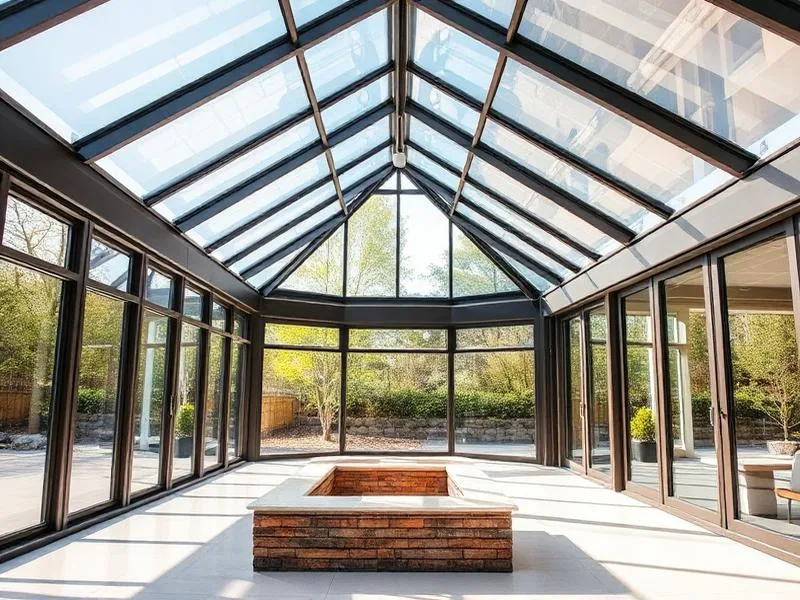
- Glass roofs give the most light and the classic conservatory feel. Modern glass is far better than the polycarbonate roofs of the past, with solar control coatings that reduce glare and overheating, and low-E coatings that keep the heat in during winter. Self-cleaning options are available too.
- Solid roofs are insulated like the rest of your home. They make the room feel like a proper extension, keep it cooler in summer and warmer in winter, and cut out the noise of heavy rain. The trade-off is less daylight.
- A mix of both is increasingly popular: a solid roof with glazed panels, or a flat roof with a roof lantern or flat roof lights, giving you insulation and light at the same time.
If you already have a conservatory with an old polycarbonate roof that makes it unusable for much of the year, upgrading the roof can transform it without starting again. We fit solid, tiled and glass replacement roofs, and we'll advise on any approvals your project needs.
3. Pick a style that suits your home
The style should suit the age and shape of your house and the space you have. Popular options include:
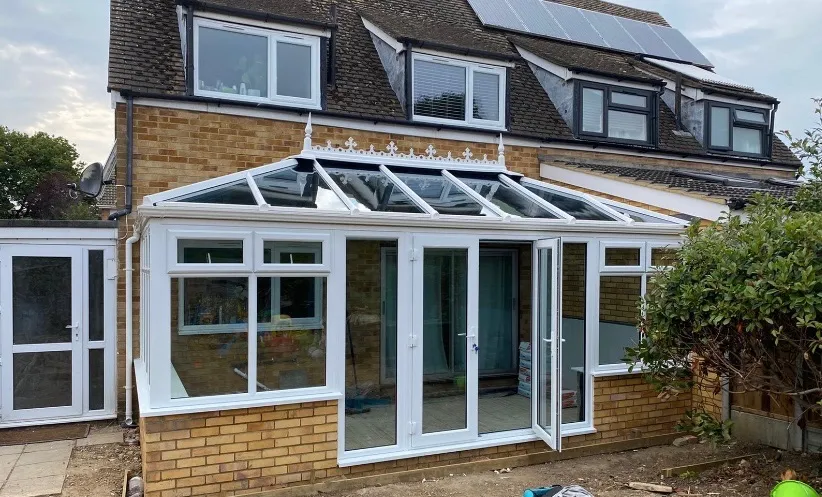
- Victorian, with a rounded, faceted front and a pitched roof. A classic look that suits period homes.
- Edwardian, with a square or rectangular shape that makes the most of the floor space.
- Lean-to, with a simple sloping roof. Ideal where height is limited, such as on bungalows.
- Gable-fronted, with a tall, upright front that lets in plenty of light and adds a sense of height.
- P-shaped and L-shaped, which combine styles to create larger, more flexible spaces.
Take a look at our conservatory range for ideas.
4. Plan for comfort all year round
Year-round comfort comes down to a few things working together:
- Glass. Ask about solar control and low-E glass for the roof and walls.
- Orientation. South-facing conservatories get the most sun and can overheat without the right glass, ventilation and blinds. North-facing ones stay cooler and get softer, steadier light, but may need more heating.
- Ventilation. Opening windows, roof vents and trickle vents keep the air moving and help reduce condensation.
- Blinds. Fitted roof blinds help to control glare and heat.
- Heating. Electric underfloor heating or a heater on its own controls can make the room usable right through winter. Extending your main central heating into the conservatory means it will need building regulations approval (see point 5).
5. Check planning permission and building regulations
Planning permission and building regulations are separate things, and it's worth understanding both.
Planning permission. Many conservatories can be built without planning permission under permitted development rights, as long as they stay within size and height limits and don't extend beyond the front of the house. These rights don't apply to flats and maisonettes, and they're more restricted for listed buildings and homes in conservation areas. If in doubt, check with your local council.
Building regulations. A conservatory is normally exempt from building regulations if it:
- is built at ground level
- has a floor area of less than 30 square metres
- has a mostly glazed or translucent roof and walls
- is separated from the house by external-quality walls, doors or windows
- doesn't have your main central heating extended into it
- has safety glass where it's required, such as in doors and low-level glazing
If any of these don't apply, you'll need building regulations approval. That includes removing the doors between the house and the conservatory to create an open-plan space, and replacing a glass or polycarbonate roof with a solid or tiled one. A good installer will explain what applies to your project and handle the approvals for you.
6. Get the doors right
The doors onto your garden make a big difference to how you use the space. French doors are a classic choice, bifold doors open up a whole wall in summer, and sliding patio doors save space because they don't swing open.
It's also worth keeping the doors between the conservatory and the house. They help with heating, and they keep the conservatory exempt from building regulations.
7. Consider the alternatives
A conservatory isn't the only way to add a bright extra room. If you want a space that feels fully part of your home, it's worth comparing:
- An orangery, which combines brick pillars and a solid flat roof with a large roof lantern. It feels more like part of the house than a conservatory, with plenty of daylight from above.
- A modular extension such as the hup! modular extension, a modern alternative to a traditional brick-built extension.
8. Choose the right installer
A conservatory is a bigger project than new windows, so choose your installer carefully. Look for:
- A proper survey and design. The base, foundations and walls need to be right, and the design should suit your home and how you'll use the space.
- Clear advice on regulations, including whether your project needs planning permission or building regulations approval.
- An insurance-backed guarantee, so you're protected even if the company stops trading.
- Genuine reviews and examples of previous work.
Ready to plan your conservatory?
Bennbrook Windows designs and installs conservatories and orangeries, and upgrades existing conservatory roofs, across Essex, Hertfordshire and North and East London, from our base in Harlow. Every project starts with a free, no-obligation home survey, and every installation comes with a 10-year insurance-backed guarantee through the IWA.
Explore our conservatories or contact us to talk through your ideas. You can also call us on 01279 964009.
Planning new windows as well? Read our guide to choosing new windows.
Related articles
Soundproof Windows: How to Keep Noise Out of Your Home
Noise from traffic, trains, aircraft and neighbours can affect sleep and health. Here's how the right windows can help, and which options work best.
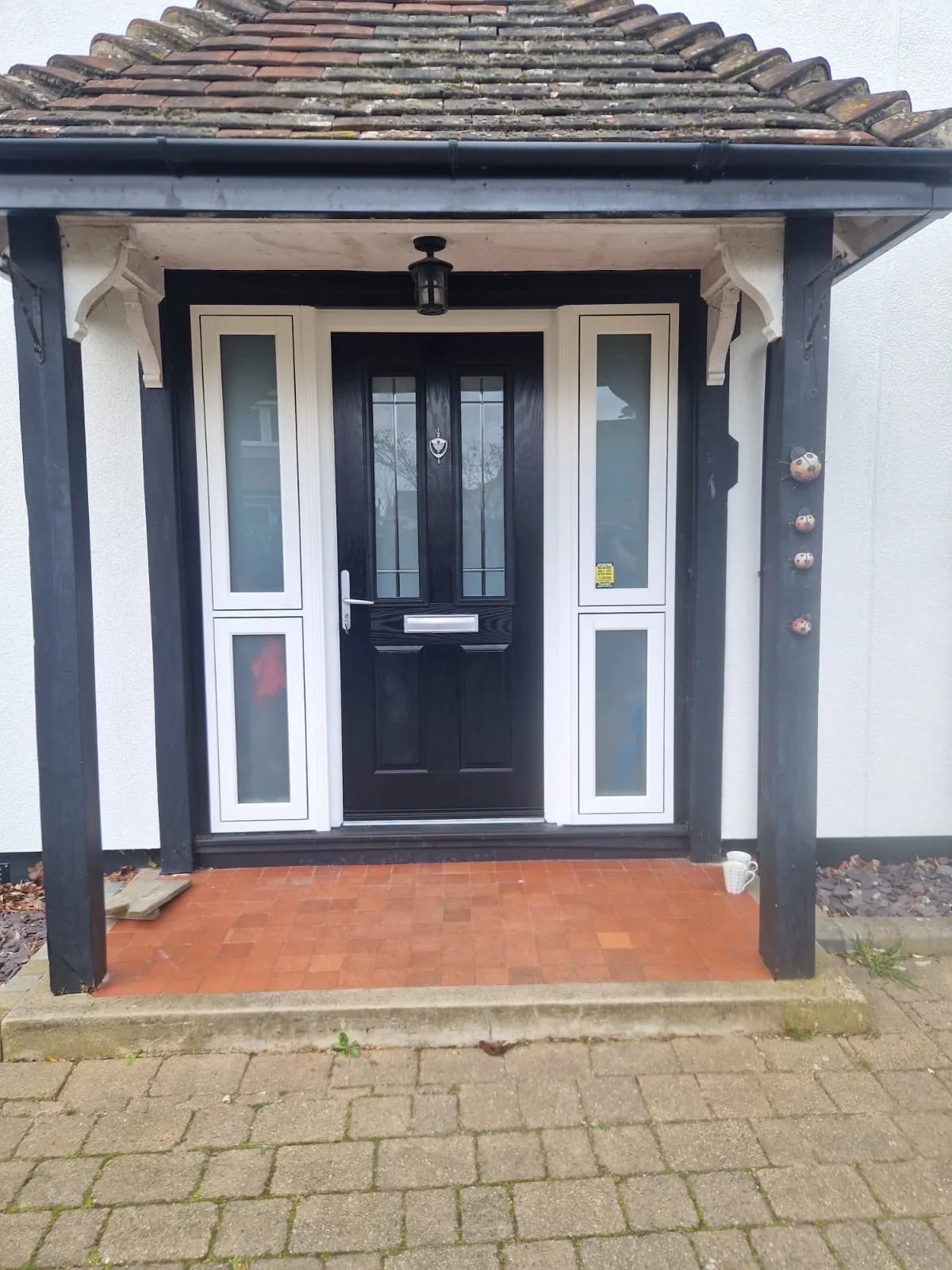
8 Points to Consider When Choosing a New Front Door
Your front door says a lot about your home. Here are eight things to weigh up, from composite vs uPVC to security, energy efficiency, style and fitting.
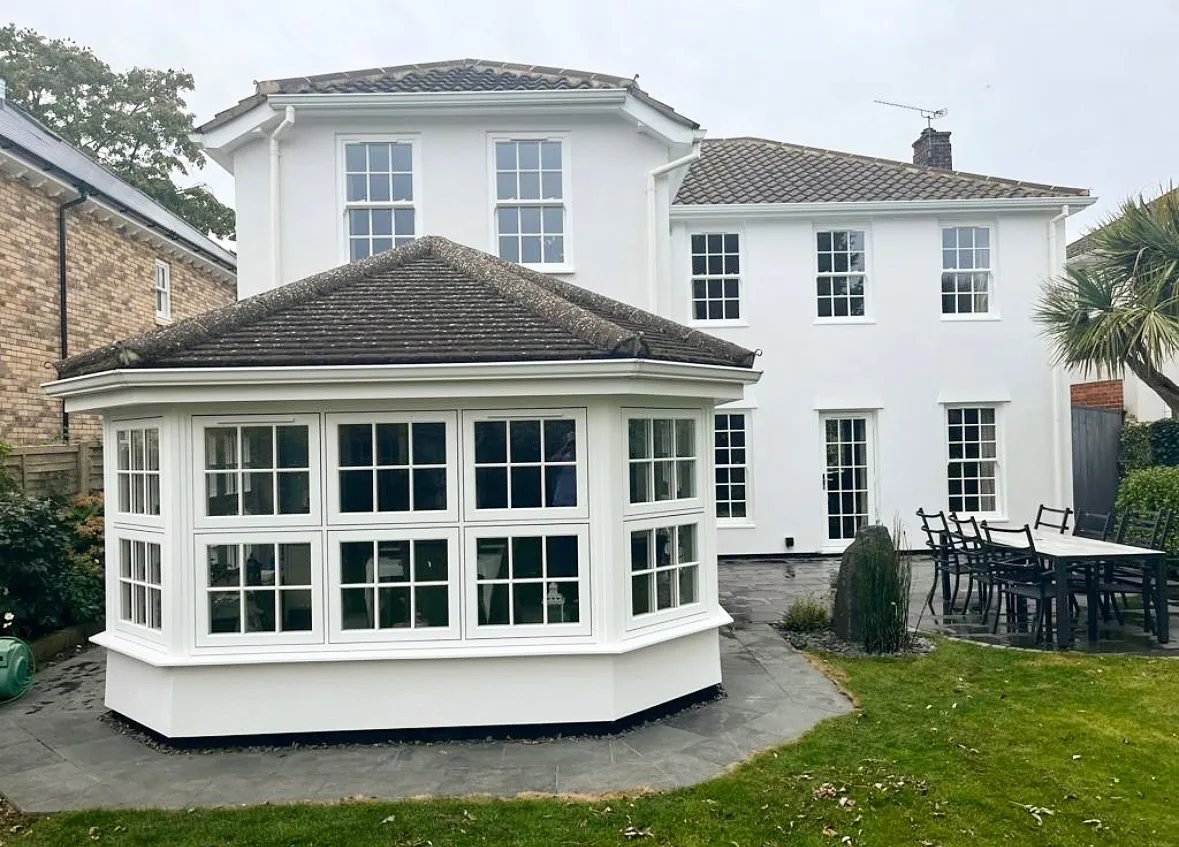
3 Window Security Features You Need to Protect Your Home
Windows are a common way in for burglars. Here are the three security features that make the biggest difference, and what to ask for when you upgrade.
Ready to Talk About Your Project?
Request a free quote — measured and fitted by our local Harlow team.